
The 20th century compressed entire epochs of change into a few decades. Empires collapsed; borders shifted; new ideologies rose; machines learned to fly, listen, and calculate at scale. Two world wars and a long Cold War did not simply decide maps—they reprogrammed daily life. They standardized paperwork and passports, put radios on kitchen shelves, moved women into factories and then into professions, and taught whole populations to read the news with a skeptic’s ear. Even our leisure—how we gather, sing, and belong—carries war’s fingerprints. This essay follows a simple thread: how mass conflict reshaped ordinary rhythms, and why the ritual of matchday can feel like a defiant celebration of normalcy after a century of upheaval.
Total War: When Industry Becomes a Weapon
Before 1914, many leaders imagined short campaigns fought by professional armies. That fantasy dissolved in the trenches. The First World War industrialized violence: steel mills, railheads, and telegraphs mattered as much as generals. Twenty-five years later, World War II perfected the “total war” model. Whole economies were mobilized; research labs turned into war rooms; civilian factories retooled overnight. The lesson wasn’t just military—it was managerial. Citizens learned to live by schedules and quotas; states mastered mass logistics; companies discovered assembly lines that would later build cars, radios, and refrigerators for peacetime households.
Technology’s Double Life
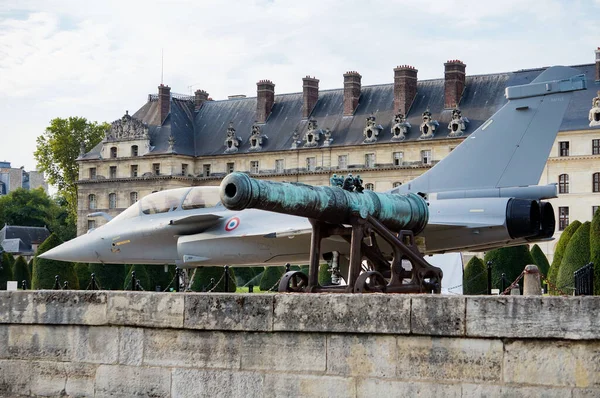
Weapons research spilled into civilian life. Radar taught us to think in waves; rocketry nudged humankind into space; codebreaking birthed modern computing. Antibiotics, plastics, and aviation shrank distance and changed survival odds. After the guns fell silent, these tools didn’t go back in their boxes. They seeded consumer electronics, air travel, and global supply chains—those quiet conveniences we now expect every time we order a part, book a ticket, or stream a match from the other side of the world.
Propaganda, Censorship, and the Habit of Triangulation
Wars also taught people to hear with caution. Posters, newsreels, and radio speeches rallied morale—but they also blurred lines between facts and framing. Citizens learned to compare sources, decode euphemisms, and notice what went unsaid. That “triangulation habit” survived into the television age and now into the feed-driven present. If you’ve ever checked three outlets before believing a breaking headline, you’re practicing a civic skill shaped by the 20th century.
Home Fronts Become Front Lines
As technology extended range, civilians moved from spectators to targets. Strategic bombing, famine, and displacement turned home fronts into front lines. In response, the post-war world built institutions and norms—the Geneva Conventions, refugee frameworks, human rights regimes—that remain imperfect but essential. Ordinary people absorbed a different lesson: resilience is a household skill. Stock the pantry, keep records, plan for contingencies. Families that learned to ration and rotate supplies could absorb shocks better than those who trusted “normal” to return on schedule.
Aftershocks in Culture: Work, Leisure, and the Need to Gather
When peace arrived, societies craved a return to routines that felt human: gardens, cinemas, cafés, and stadiums. Sport, in particular, stitched communities together after years of anxiety. It offered a script everybody knew—rules, rivals, rituals—and a place to put collective voice that wasn’t a rally or a siren test. You can hear the century’s tension and release in the way crowds sing a player’s name. A chant is not just noise; it’s a declaration: today we gather for joy, not fear.
A Pocket Timeline of 20th-Century Conflict (and What Stuck)
| Era | Conflict Pattern | Everyday Changes That Endured |
|---|---|---|
| 1914–1918 | Trench stalemate; mass conscription | Standardized IDs, military logistics models, public health campaigns |
| 1939–1945 | Total war economies; genocidal policy | Rationing culture, women’s industrial labor, radar/aviation/computing |
| 1945–1991 | Cold War; proxy wars; nuclear deterrence | Space race, civil defense drills, global media, containerized shipping |
Why Matchday Feels So Meaningful After a Century of Disruption
Because the 20th century trained us to expect uncertainty, we value reliable rituals. The weekly cadence of a fixture list—preview, kickoff, result—offers a small bulwark against noise. It’s no accident that calendars, timetables, and league tables became cultural anchors just as war taught us how fragile routines can be. Whether you stand on a terrace or stream from a mountain guesthouse, tracking your club’s season is a way to say: we’re still here, and the future has room for ordinary joy.
Following the Season, Following the Story
One modern pleasure is how easily we can keep up with a club across continents. Dedicated hubs pull fixtures, results, and upcoming opponents into one tidy place so the narrative of a season is always within reach. If your heart favors sky-blue, bookmark a page focused on man city games to see how form arcs across competitions and how new names enter the chantbook from one lineup to the next.
What the 20th Century Still Teaches
- Logistics beat bravado. In crisis and in comfort, systems matter more than slogans.
- Tools outlive their battles. Radar, rockets, and computers became airports, satellites, and search bars.
- Rituals repair. Shared, rule-bound play—on fields and in stands—helps communities reset after shocks.
- Attention is civic. Read widely, compare calmly, and beware of simple stories for complex times.
Bottom Line
The wars of the 20th century taught us hard lessons about power, technology, and the costs of ideology. They also left us with quieter inheritances: a respect for planning, a suspicion of easy answers, and a love of small rituals that gather us into hopeful crowds. In a world that still trembles now and then, a fixture list can feel like a promise: this week we meet again, the whistle blows, and for ninety minutes we practice being a public—loud, alive, and together.