The Battles of Coronel and the Falklands
When the British Empire went to war on the 4th of August 1914 the Royal Navy was the strongest fleet in the world – but nearly all of its newest…

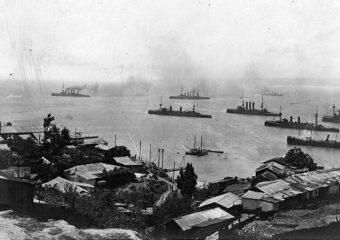
When the British Empire went to war on the 4th of August 1914 the Royal Navy was the strongest fleet in the world – but nearly all of its newest…
Helsinki was bombed several times during World War II by the Soviet Long-Distance Bomb Group Regiment (Russian: Avia Polk Dahl’nevo Deystviya—APDD), the largest of which took place during 1944, when…
In 1916, the historic fortress town of Verdun, standing on the Meuse River was an exposed lightly held outpost of France’s eastern defences. In the late 19th century, concentric rings…
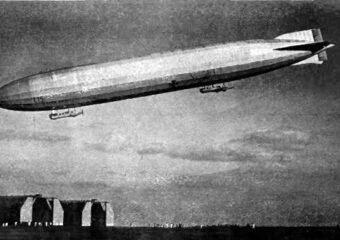
In August 1914, seven airships were available to the German Army; four were deployed in the West and three in the East. Three of those assigned in the West attempted…
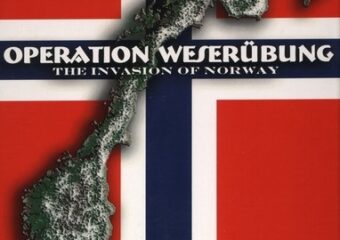
Unternehmen Weserübung was the code-name given to the German assault on the countries of Denmark and Norway. Sweden would ultimately play a pivotal role in the conflict as would Finland…
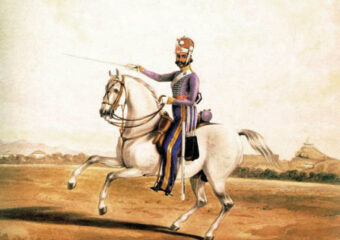
The British Indian Army, officially named just the Indian Army, was the principal army of India before independence from the United Kingdom in 1947. It was responsible for the defence…
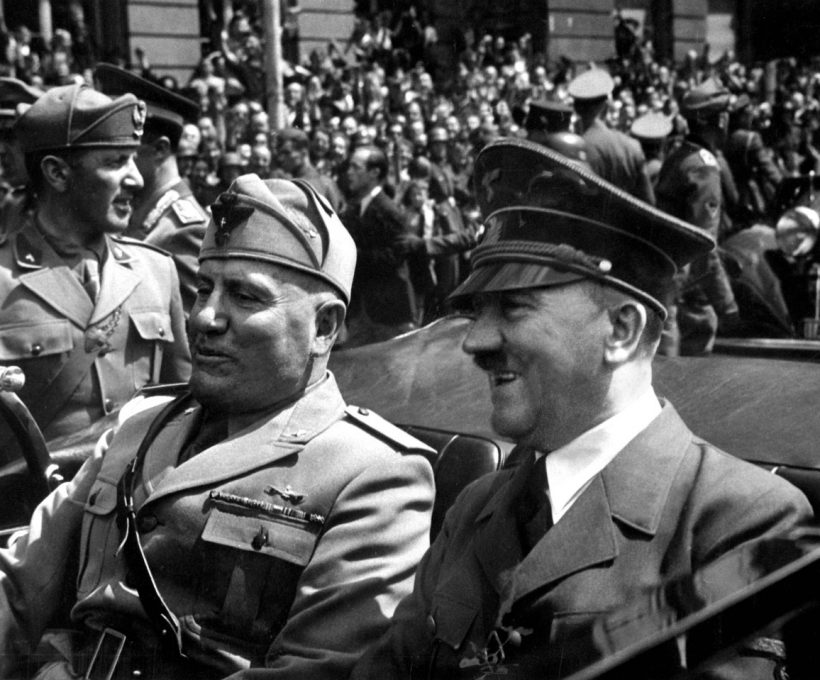
There are three of them because they were mainly the enemy of the Allied Forces back during World War 2. Even though they had other countries backing them up, we…
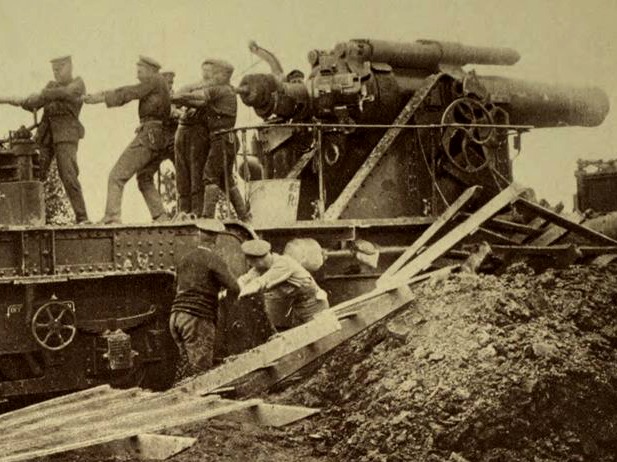
Industrial warfare is a period in the history of warfare ranging roughly from the early 19th century and the start of the Industrial Revolution to the beginning of the Atomic Age, which saw the rise…
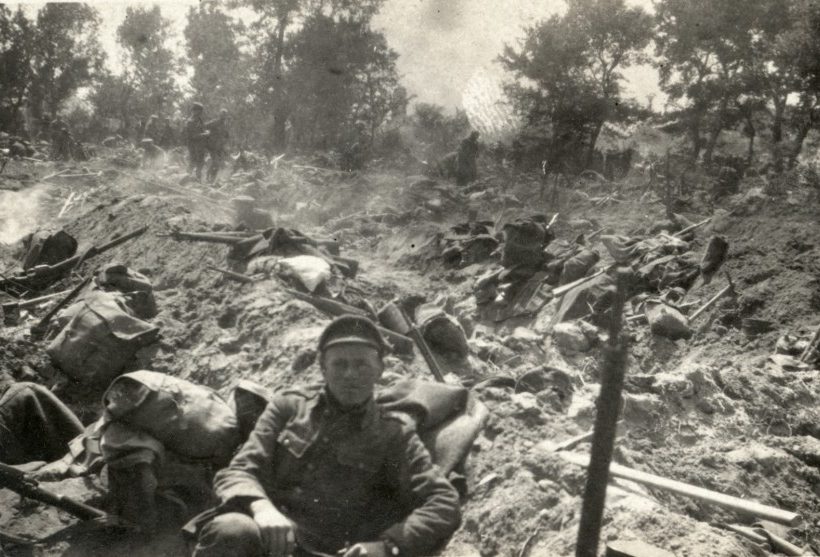
The failure of either side to achieve a victory in 1914 left the combatants facing a long war. On the Western Front, in France and Belgium, armies were immobilized in…
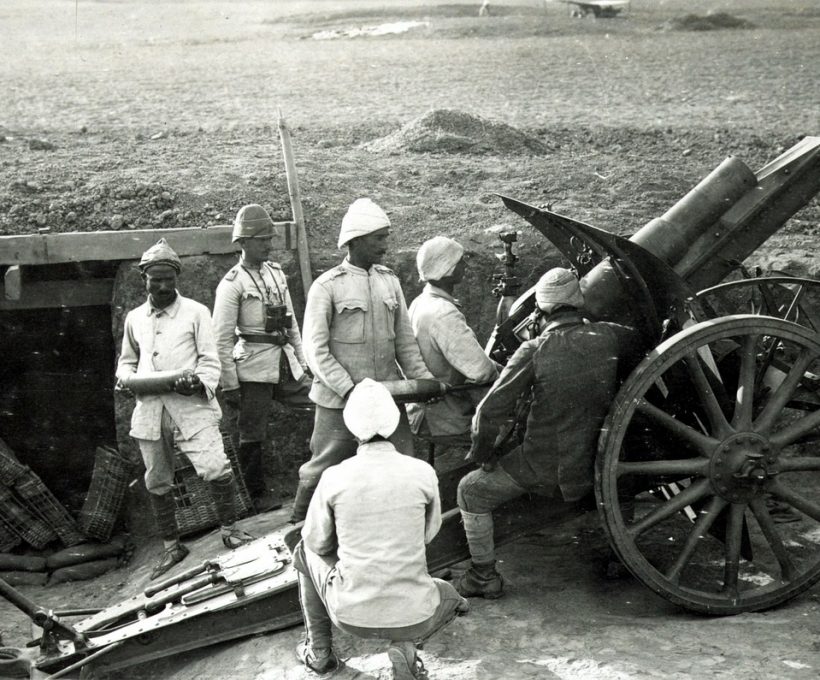
By 1914, trenches were a common aspect of warfare, reflecting the straightforward need for soldiers on the frontline to protect themselves against enemy fire. Standard military manuals provided instructions for…